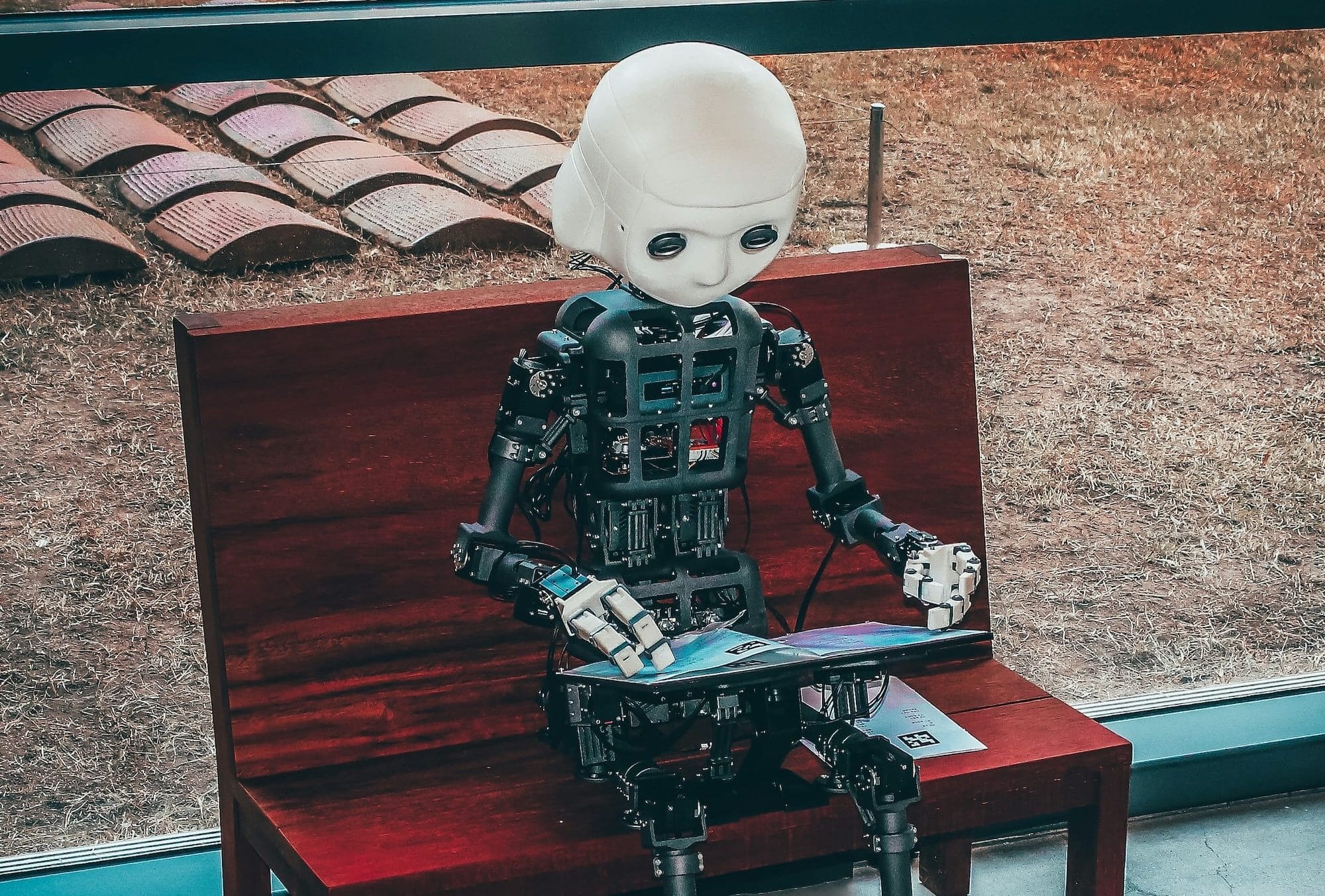
Last autumn we went to Wales Tech Week in Newport. As the lead developer at Tropic it was a deliberate step away from my usual working life, which is very much about the micro: lines of code, button interactions, databases, tiny details, tiny fixes, tiny improvements.
Tech Week was the opposite. Big rooms, big ideas, and a lot of talk about AI. Technology is in a period of serious flux, with people building products, services, and businesses faster than ever. Websites are no exception.
How AI is already changing web development
From a developer’s point of view, AI has already made a real difference. Used well, it’s genuinely useful and becoming more and more essential. It’s sped up testing and debugging, helped with performance analysis, and made accessibility issues easier to spot earlier. It’s also created more room to experiment, trying ideas or interactions that might previously have been too time-consuming to explore.
At Tropic, that’s how we use it. As a tool to improve the work, not replace it. It helps us work more efficiently and gives us more time to focus on how a website actually works for the people using it.
Where things start to fall down
There’s a growing wave of tools that promise to generate a whole website in minutes. Answer a few questions, press a button, and something appears. And to be fair, it can look passable at first glance.
Those tools absolutely have a place. For simple needs, early experiments, or getting something live quickly, they can be genuinely useful.
But the output is often slightly off: not quite aligned with the brand, the tone, or how the site needs to convert. Without a designer shaping the experience, considering brand, tone, user journeys, and conversions, even the cleverest AI can’t get it completely aligned.
AI can spit out an answer, but until you know the question, it’s just guessing.
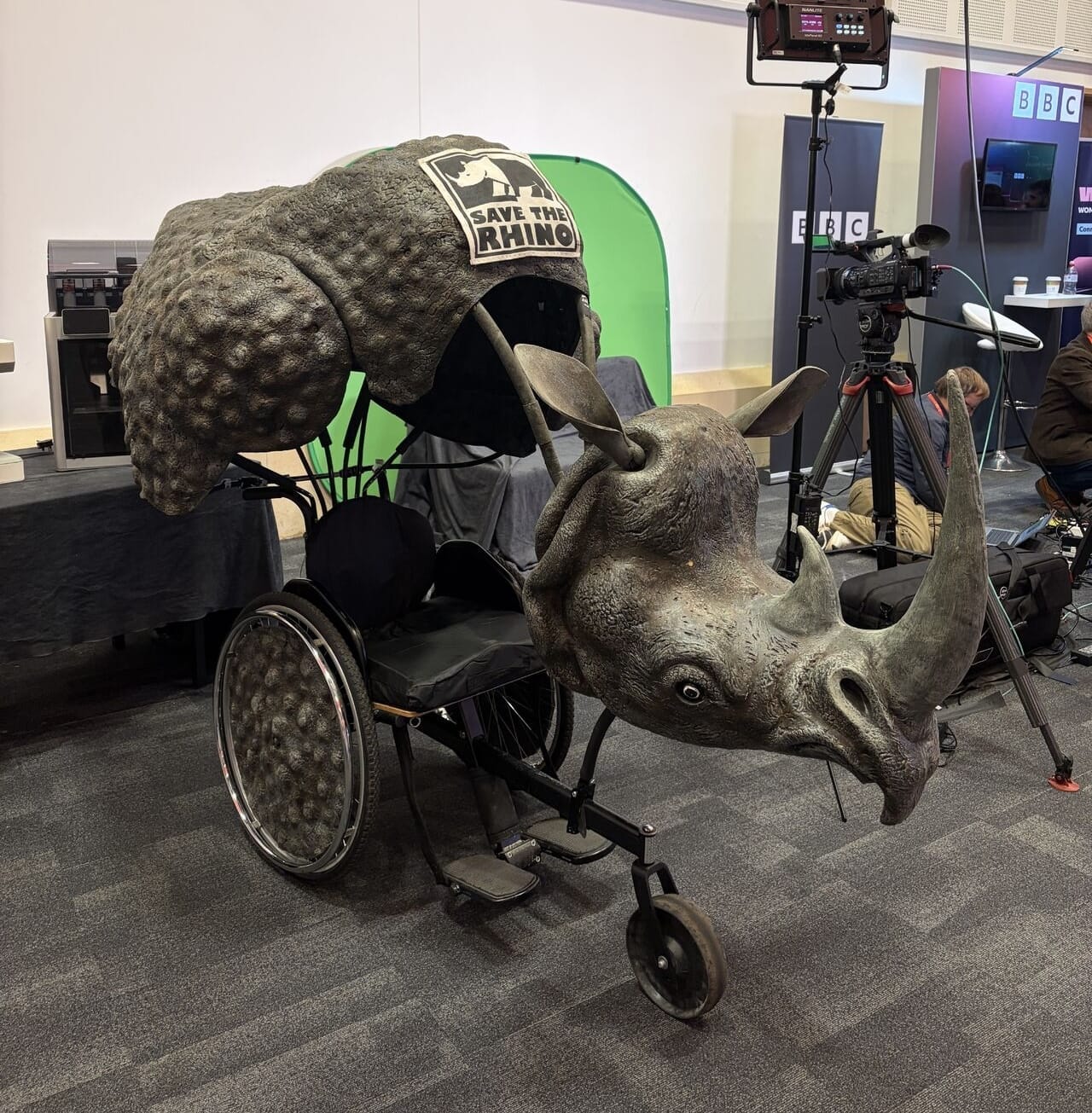
Somewhere in the corner of Wales Tech Week, when I needed a break from all the AI chatter, a giant rhino costume caught my eye. The stand was run by William Todd Jones, a puppeteer and animatronics legend who’d worked with the Jim Henson Company, performed on Muppets Christmas Carol & Little Shop of Horrors, designed the famous Save the Rhino marathon suits, and, if that wasn’t enough, had also been friends with the late, great Douglas Adams, together they had hiked up Kilamanjaro, dressed as Rhinos.
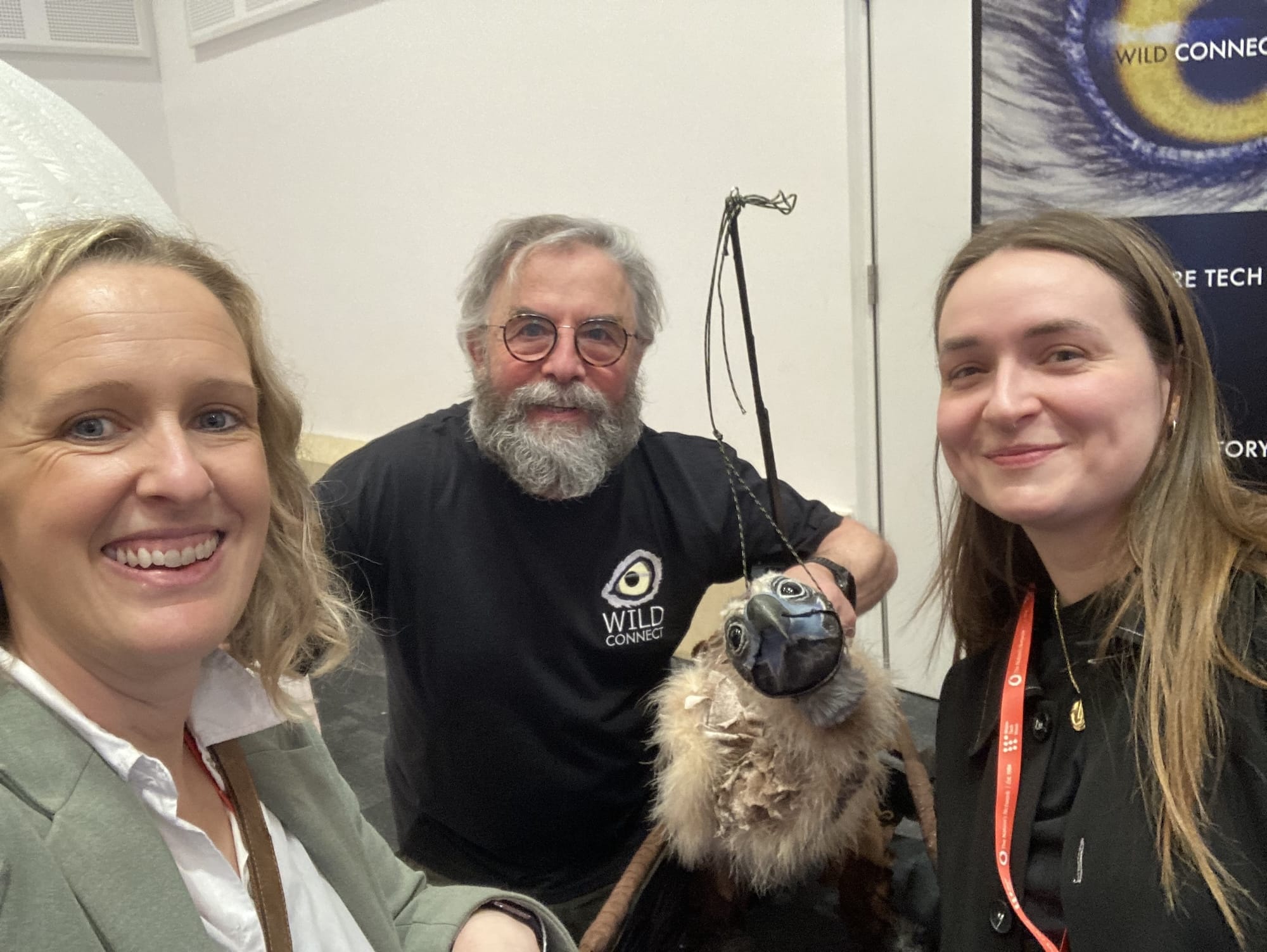
It got me thinking about Douglas Adam’s, Hitchhiker’s Guide to the Galaxy. Deep Thought, the supercomputer, gave the answer to life, the universe, and everything: 42. Perfect, but useless, because they didn’t know the question. And that’s the thing with AI in websites: it can do almost anything, but if you don’t know what you’re really trying to solve, it doesn’t matter how clever the answer is.
Once you do know what the question actually is, you’ll know what the answer means.
Douglas Adams
Most businesses don’t come to us knowing exactly what they want from a website. They’re busy, they’ve looked at competitors, and they know something needs to change but they’re not always sure what or where to start. One of the biggest challenges for our clients isn’t the technology, it’s knowing how to present something when you’re completely immersed in it. What feels obvious or important from the inside often doesn’t meet the needs of a potential customer landing on the site for the first time. That gap is where a lot of websites quietly fall apart.
This is what we pride ourselves on at Tropic: getting to the bottom of what our clients really need and turning that into a website that actually works. AI can automate repetitive tasks, generate code, or suggest solutions, but it can’t understand a client’s broader goals, anticipate how real users will behave, or decide what’s truly essential for the site to succeed. That’s where human insight still matters.
Humans aren’t going anywhere
One keynote talk at Wales Tech Week painted a very extreme picture of the future: hyper-automation, tiny teams, entire industries compressed into a handful of tools. It was presented as exciting, but it left me feeling that something important was missing.
Websites aren’t built for machines. They’re built for people. People who are distracted, inconsistent, sometimes unsure, and often changing their minds. AI simply doesn’t understand those contradictions, because they’re just too… well… human.
Tools are brilliant. We’d be mad not to use them. But they work best when someone experienced decides how, when, and why to use them. That’s where we sit at Tropic. We use AI to make the work better and more efficient, but the value we bring is still human: experience, judgement, and helping people make sense of what they actually need, not just what a tool can generate.
So… what’s the future?
Honestly, no one really knows. AI will continue to change how websites are built, but not why. Speed will increase, automation will improve, and the baseline will rise. Alongside that, the value of clear thinking, good questions, and human judgement will become more obvious, not less.
The future probably isn’t AI versus humans. It’s humans who know how to use AI and, just as importantly, when not to. Stepping out of the code and into the bigger picture reminded me of something simple: technology moves fast, but understanding people still takes time. And that’s unlikely to change any time soon.
If you’d like to discuss your digital, brand or marketing project with a real human why not get in touch with us at Tropic?


